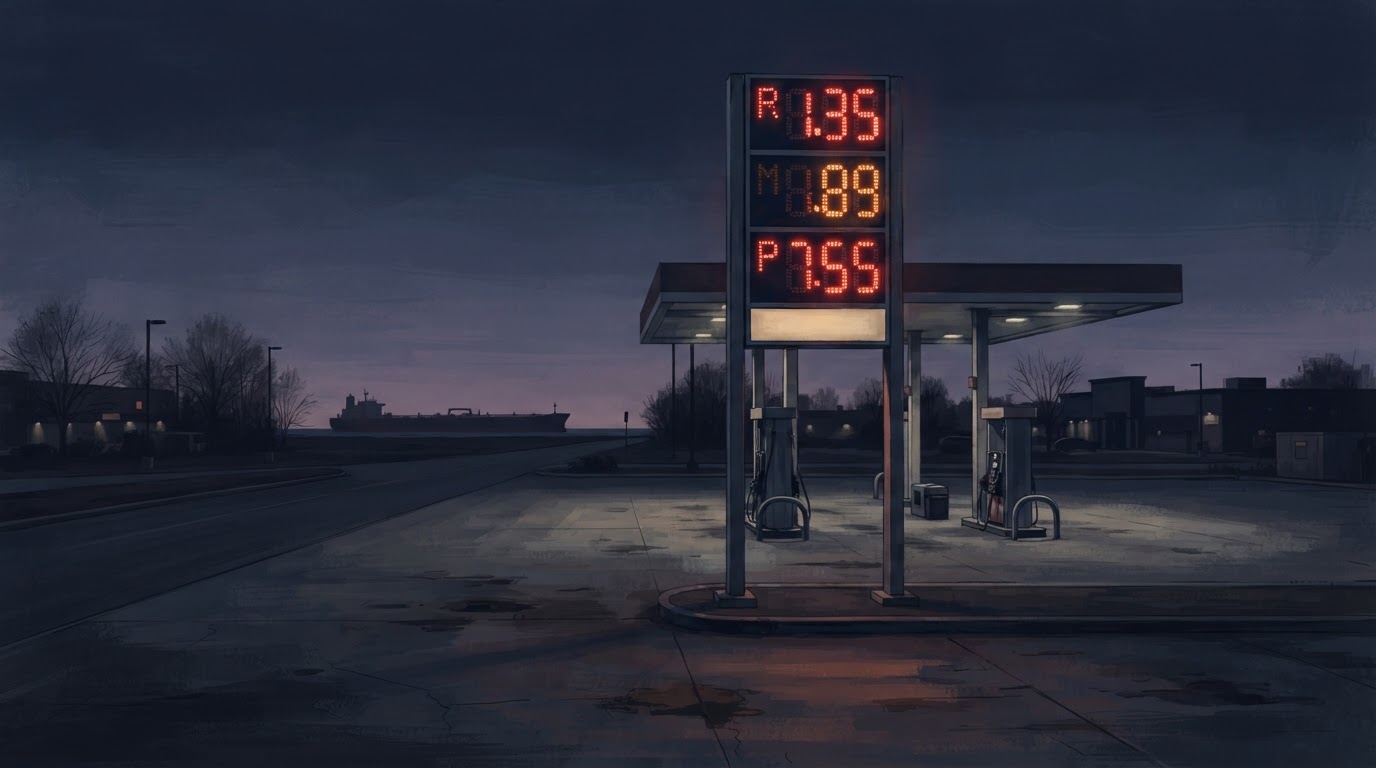
The average price of a gallon of regular gasoline in the United States climbed past $4.32 this week, up 6 percent from a month earlier and 36 percent from a year ago, according to AAA figures cited by CNBC. That increase is arriving alongside a jump in the 10-year Treasury yield to its highest level since 2007, a combination CNBC describes as a double burden on consumers already stretched thin by seven months of conflict between the United States and Iran.
Moody’s Analytics economist Mark Zandi told CNBC that the average American household has paid roughly $1,760 more since the war began in February, with $930 of that coming directly from higher energy costs including gasoline, diesel and jet fuel. Zandi said consumers have collectively spent more than $121 billion in extra energy costs so far, while another $425 per household stems from higher interest rates tied to the conflict and $405 comes from higher military spending that taxpayers will eventually cover through debt or taxes.
Crude oil prices reflect the same pressure. Brent crude was trading near $110 a barrel this week, according to Al-Monitor, within sight of the wartime high of roughly $120 reached in April. U.S. crude topped $105 a barrel on Tuesday despite public assurances from Energy Secretary Chris Wright that a Saudi pipeline closure would be brief, CNBC reported.
JPMorgan analysts told CNBC in a separate report this week that the bank has stopped trying to forecast when the war will end, noting that Trump administration officials set economic redlines in June, including oil above $100 a barrel, gasoline near $5 a gallon and 10-year yields above 5 percent, and that several of those thresholds have already been crossed without any clearer path to resolution. A pipeline disruption thousands of miles away has already shown up directly at American pumps, according to Newsweek, illustrating how a regional war has become a domestic cost-of-living story almost overnight.
Sanctions campaign framed as leverage on Tehran
The Treasury Department’s latest move, sanctioning Russia’s VTB Bank for allegedly helping Iran evade financial restrictions, was framed by officials as evidence that economic pressure on Tehran is working. Al-Monitor reported that the designation, issued under Executive Order 13902, targets VTB’s correspondent banking relationships with sanctioned Iranian institutions and its role in moving billions of dollars in frozen Iranian assets. The same report noted that Iran’s rial has plunged to record lows and inflation has surged inside the country, which officials cite as proof the sanctions campaign is succeeding.
What that campaign does not address is the price American drivers are paying at home. Iran’s parliament speaker, Mohammad Bagher Ghalibaf, mocked the Federal Reserve directly this week, posting a modified economic formula on social media suggesting that Iran, not the Fed, is effectively setting U.S. interest rates by controlling the Strait of Hormuz, according to Al Jazeera. Hours later, the Fed raised rates by 25 basis points, its first increase in three years, with Fed Chairman Kevin Warsh saying the conflict’s effect on petrol prices helped push the decision. Analysts quoted by Al Jazeera cautioned that Iran is not literally dictating monetary policy, noting that AI-driven investment and tariffs are also feeding inflation, but the optics of the timing were impossible to ignore.
Defence Secretary Pete Hegseth, according to JPMorgan’s characterisation of administration messaging reported by CNBC, has continued to present the war’s trajectory as manageable even as the economic redlines set by the administration in June have been breached.
How the outlets framed it
Al-Monitor’s coverage of the VTB sanctions centres on Washington’s strategic aim of squeezing Iran’s economy and choking its financial lifelines through Russia, treating the surge in oil prices as a secondary market reaction rather than the story itself. Al Jazeera’s piece on Ghalibaf’s viral post likewise leads with the political theatre of an Iranian official taunting the Fed, only later noting the real-world consequence that petrol prices helped justify a rate hike. CNBC and JPMorgan’s reporting inverts that emphasis entirely, leading with the dollar figure households are losing and treating the sanctions and diplomatic manoeuvring as background context. The difference reveals that outlets closer to Middle East policy circles treat the war as a strategic contest measured in sanctions and barrels, while financial press treats the same war as a tax already landing on paycheques.
Whichever framing a reader encounters first, the underlying numbers do not change. Households are paying more for fuel, more for borrowing and, according to Moody’s, more in future tax or debt obligations tied to military spending, regardless of how officials in Washington choose to describe the sanctions campaign’s success against Tehran.